
Megalodon: The Megatooth Shark of the Deep
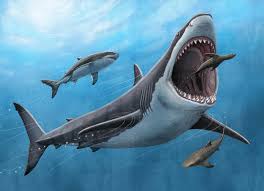
"The Meg"
Only a few prehistoric species have ever truly captured the public’s imagination. One of these species resided in the depths of our planet’s vast oceans. I am referring to the Otodus megalodon or more commonly known as the Megalodon.
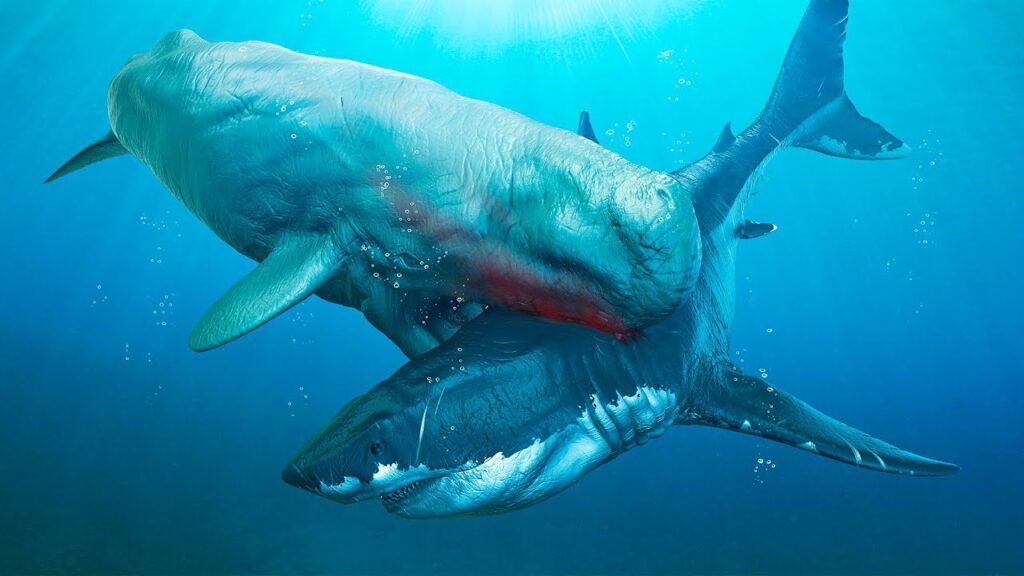
This colossal species of shark was the apex predator of the prehistoric aquatic world, hunting variety of prey ranging from prehistoric whales to sea turtles.
Dominated the oceans for roughly 23 million years, its extinction and the lack of sufficient fossil records have shrouded this extinct predator into mystery. Their enigmatic fate has captivated our society, fueling everything from conspiracy theories to blockbuster film franchises.
Recent scientific developments reignited debates around the life and look of the Megalodon. Scientists and paleontologists continue to ask what it looked like, how big it really was and how did it live and survive our waters for millions of years.
Read more below to learn about the lives of these frightening yet majestic aquatic species.
Brief History and Origins of the Megalodon
Based on current research, paleontologists determined that the earliest time the Megalodon roamed our oceans was roughly 23 million years ago in the Cenozoic era (Miocene epoch). During that time, it dominated the aquatic food chain and played a vital role in the prehistoric aquatic ecosystems.
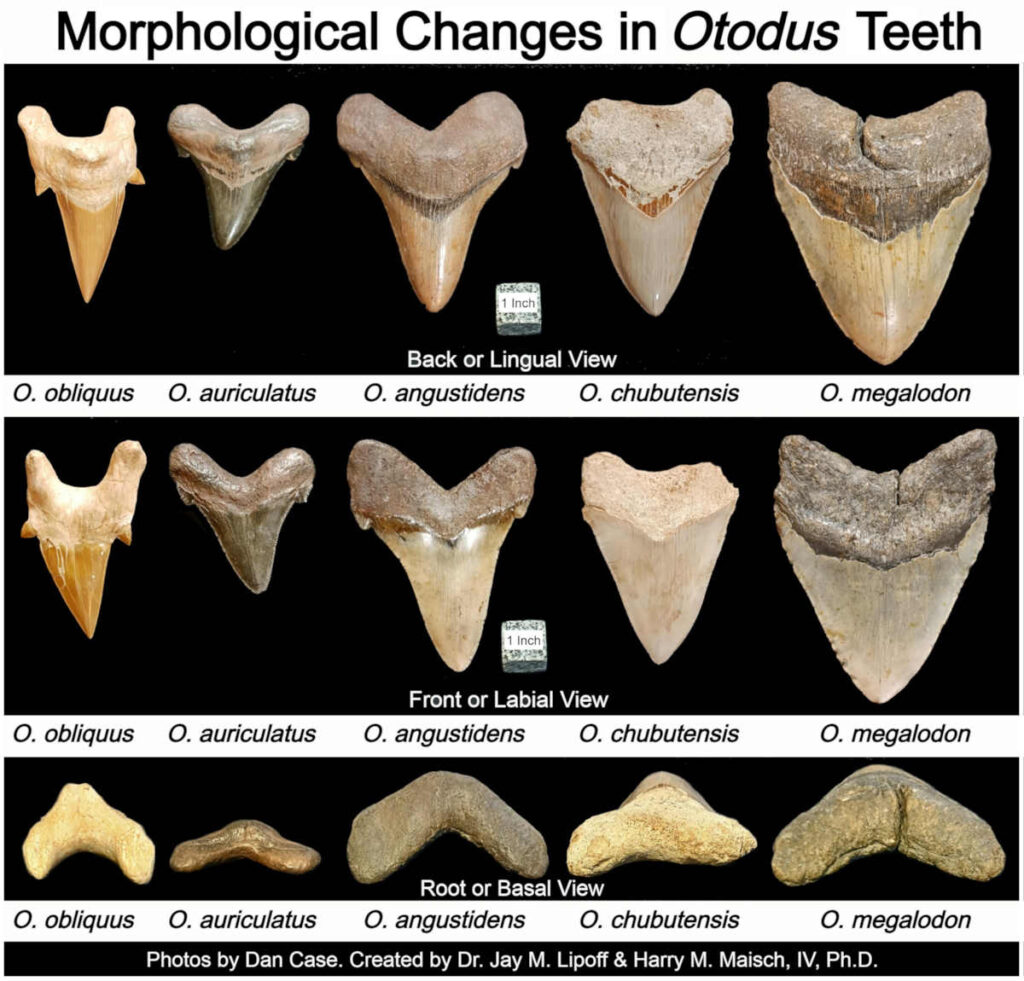
Its evolutionary origins is a bit of a mystery for some in the paleontological community. Compared to the origins of the Tyrannosaurus Rex, the Megalodon’s heritage dates back to an ancient shark species of the Cretaceous era. These species evolved into a predatory shark species named Otodontidae.
Over the next several millions of years, the Otodontidae underwent various evolutionary changes. One of these changes included growing larger than their ancestors. Another change had its teeth evolved into a pointed shaped style, perfect for hunting large prey. These evolutions would eventually lead to the birth of the Megalodon.
What Made It Terrifying?
The Megalodon had specific features that made it terrifying to other seafaring species. Some these features were its powerful bite force, its imposing size and finely tuned sense of sight, smell and hearing. These features allowed the Megalodon to move strategically when hunting its prey.
Here are brief descriptions of the features that made the Megalodon terrifying to face.
Bite Force
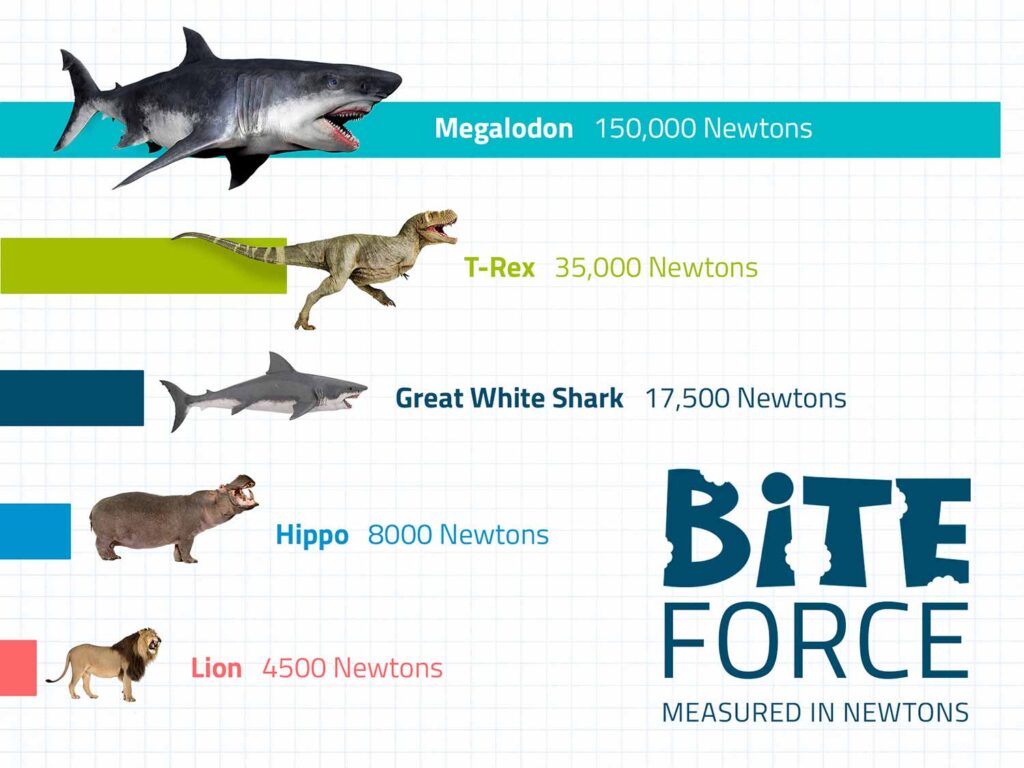
According to the latest research, a fully grown Megalodon can generate an estimated bite force between 100,000 to 180,000 newtons. That amount of force was ideal for tearing through thick skin, flesh and bone of large prey such as whales.
Alongside the Tyrannosaurus Rex and modern-day crocodiles, the Megalodon would be considered one of the deadliest predators in recorded history.
Size
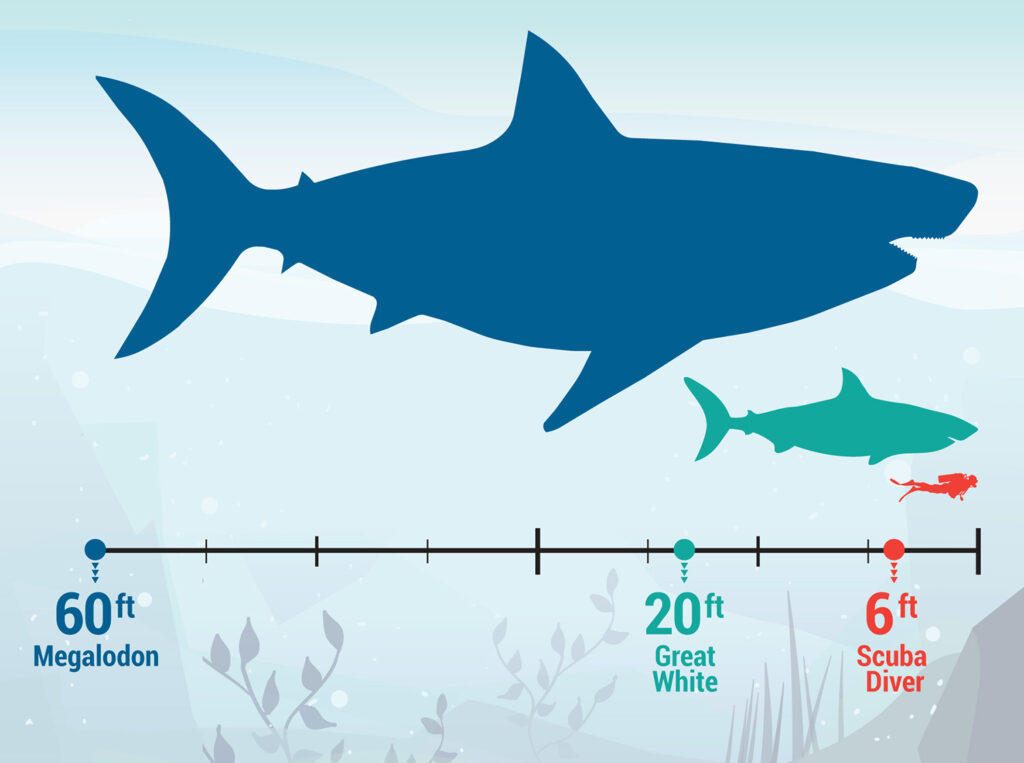
Lack of fossilized remains made it difficult for scientists to speculate the actual size of the Megalodon. Some scientists have estimated their maximum length and weight to be roughly 24 meters long and around 100 tons. These estimations were made based on the size of their teeth and a few fossilized parts of their skeleton that remain.
Furthermore, their enormous teeth have given us an interesting insight into their anatomy. This is because their skeletons were made of cartilage, which decays when fossilized. Therefore, we are only left with its teeth to deduce its lifestyle and estimated size.
Senses
The Megalodon’s keen senses of smell, sight and hearing allowed it to track and hunt prey for several miles. Much like modern-day predatory sharks, it was able to detect a drop of blood from a mile away due to its olfactory bulb. This allowed it to know where its prey is located and track it down.
To compliment this, its hearing capabilities were able to detect low-frequency vibrations. This gave the Megalodon crucial information about the type of prey that it honed into.
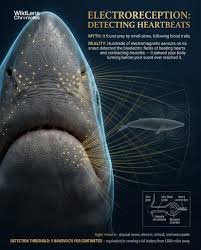
Lastly, its vision allowed to hunt during both daytime and nighttime. This is because its eyes were able to adapt to low-light environments. Additionally, its jelly-filled pores would allow it to detect bioelectric signatures emitted from its prey. This gave them an edge in close engagements or hunting in poor weather conditions.
Why Did They Go Extinct?
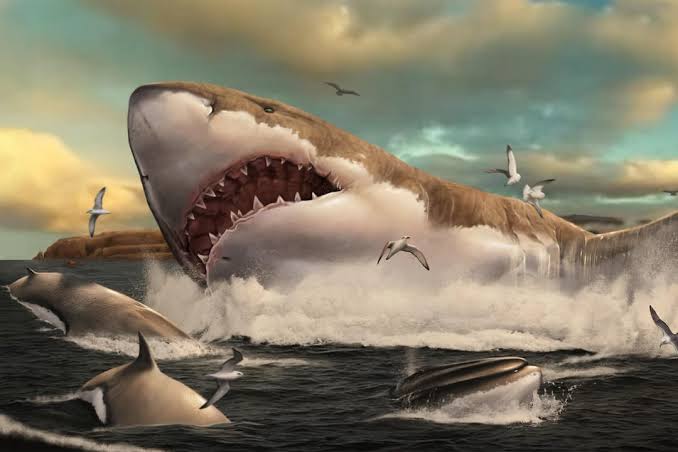
There are various factors that contributed to the downfall of the Megalodon. Changing climate conditions, lack of sufficient prey and fierce competition ultimately drove it into extinction roughly 3.6 million years ago.
Firstly, as it preferred temperate and warm climates, significant drops in Earth’s ocean temperatures during the Pliocene epoch had reduced the number of spots the Megalodon could hunt in. This significantly strained its ability to survive by dividing sparse food sources amongst its population.
Secondly, falling sea levels caused a lot of coastal shorelines to disappear, putting their young at significant risk of being hunted by other predators.
Lastly, fierce competition from new aquatic predators, including a new species of shark, ancestors of the modern-day great white sharks, meant new sources of food were limited hence putting a lot of pressure on the Megalodon to be able to sustain itself.
Gone But Not Forgotten
Despite being extinct for millions of years, the Megalodon still captures our imagination. Its memory has been kept alive over the decades through popular media from movies such as the Meg to “documentaries” focused on conspiracy theories about its reported sightings over the centuries.
Further research and discoveries could shed more light on this mysterious being of the deep. For now, we will have to settle for mockumentaries from The Discover Channel.
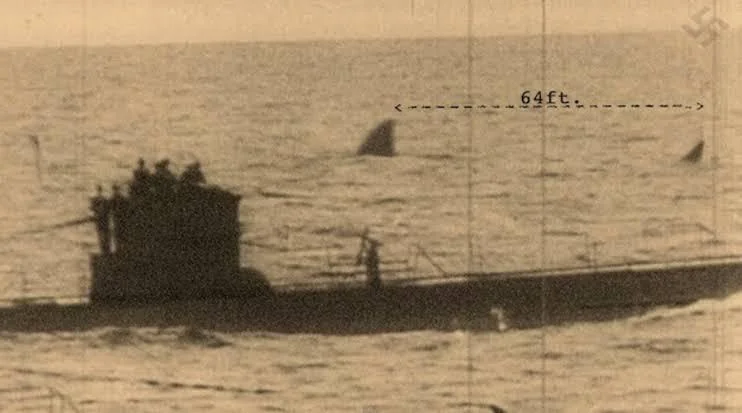
Prepared to meet this behemoth? This next blog will take you to a Canadian town where you can meet the Megalodon and some well-known prehistoric “celebrities”.
Leave a comment down below and follow us on our next journey into the prehistoric world.