
Tyrannosaurus Rex: The Greatest Prehistoric Theropod
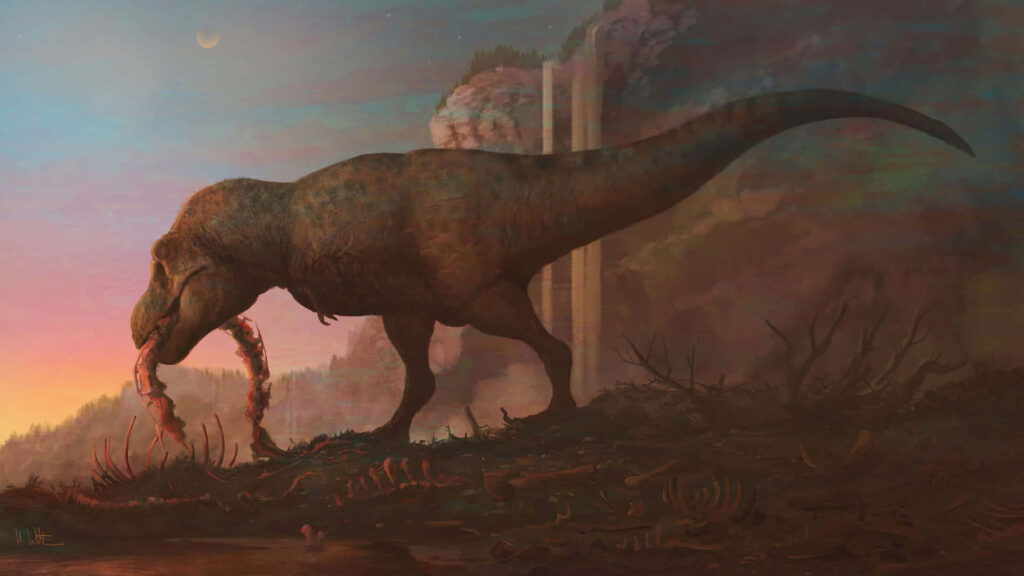
"Tyrant Lizard King"
Of all the dinosaurs that we have come to know, none have made such a profound impact in our society than the Tyrannosaurus Rex.
Appearing across a multitude of media ranging from film franchises such as Jurassic Park to video games such as Dino Crisis, this theropod has captivated us with its terrifying but fascinating presence. However, what was a T-Rex like in the prehistoric world, million years ago? Let’s dive into the world of the “Tyrant Lizard King”; the greatest apex predator of the prehistoric world.
Name Origin
The name Tyrannosaurus Rex was given by Henry Fairfield Osborn, an American paleontologist and curator for the American Museum of Natural History, in 1905. It is a combination of Greek words tyrannos (meaning tyrant), sauros (meaning lizard) and the Latin word rex (meaning king). Together, it means “Tyrant Lizard King”.
After comparing the early specimens of the T-Rex to other theropods discovered at the time, Dr. Osborn learned that he discovered an entirely new species. Hence, this discovery led him to classify it under a new genus and added the name to describe the size and scale of this terrifying theropod to museum visitors.
Brief Evolutionary History
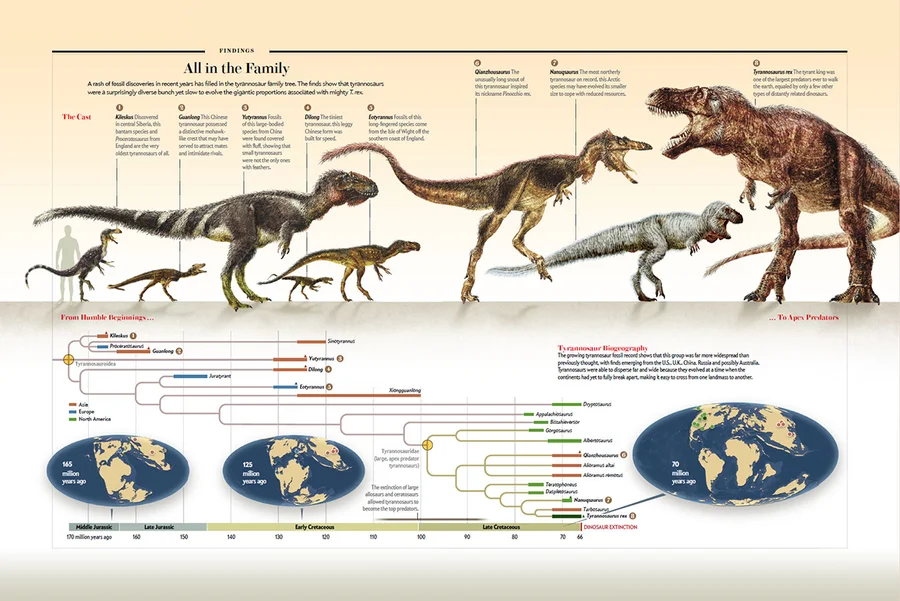
The Tyrannosaurus Rex origins date back to as early as the mid-Jurassic era. During that time, early tyrannosauroids were small, human sized feathered hunters. These species underwent an evolutionary change during the early Cretaceous era which greatly enhanced their senses of smell, sight and hearing along with their increased brain mass. These adaptations served as the foundation for further evolutions of these species. While settling in Laramidia (present day North America) during the late Cretaceous era, these tyrannosauroids undergone another evolutionary change that led them to experience gigantism. This caused an increase in their height and weight along with further development of their jaw lines. However, a major drawback of this evolutionary stage was the drastic reduction in their arm lengths. This would be the final evolutionary stage of the indominable Tyrannosaurus Rex.
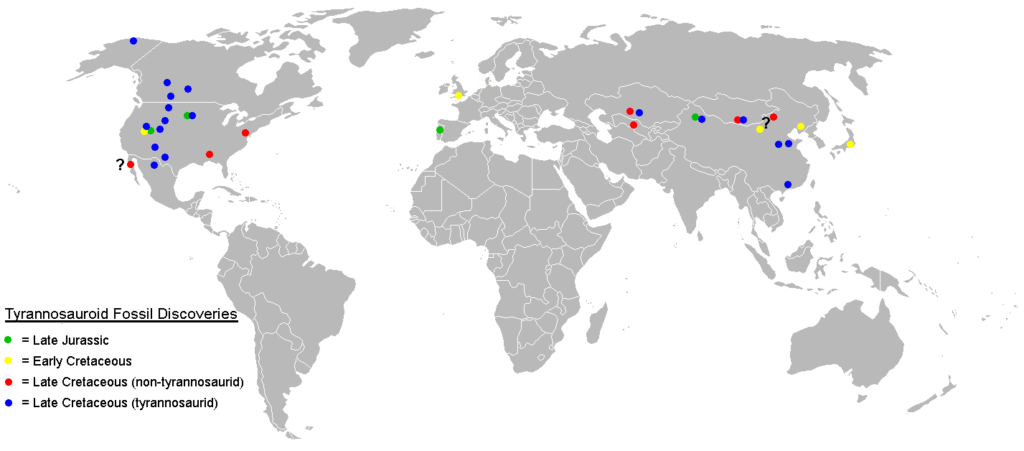
In addition, paleontologists have debated in recent years about the true origins of the Tyrannosaurus Rex. Current fossil records show that its ancestors may have originated in modern day Asia. These revelations lead to more questions about where these majestic animals truly came from and their evolutionary developments.
Fossil Discoveries and Locations
Earliest records of Tyrannosaurus Rex fossils were found in the early 20th century by American paleontologist, Barnum Brown. He discovered and excavated partial remains of a Tyrannosaurus Rex in the Hell Creek Formation in southeastern Montana in 1902.
Additionally, more T-Rex fossils were discovered and excavated across North America from the 1960s to the 1980s. One of these discoveries included the notable “Huxley T-Rex”. It was found in 1981 in the Scollard Formation in Huxley, Alberta. This T-Rex fossil record is on display at the Royal Tyrrell Museum of Palaeontology in Drumheller, Alberta.
Lastly, another notable discovery was “Bertha”. It is the largest T-Rex specimen excavated so far. It was discovered in 1987 and placed on display at the Dickinson Museum Center in North Dakota.
What made them so feared across the prehistoric kingdom?
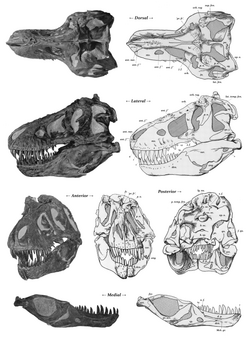
A dinosaur as frightening and fascinating as the Tyrannosaurus Rex had several features that made it so during its time on Earth. These were a combination of its powerful bite force, its massive size and a vast array of highly developed senses of sight, smell and hearing that made its hunt for its prey effectively and efficiently.
Here is a brief breakdown of the features that made the T-Rex feared across the prehistoric era.
Bite Force
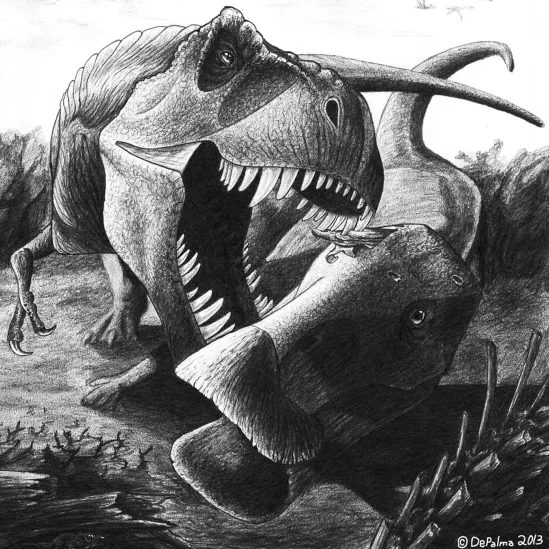
The bite force of a T-Rex is estimated to be over 50,000 Newtons. That is roughly equivalent to the bite forces of 2 saltwater crocodiles. This shows that a T-Rex could easily bite off large chucks of flesh and bone of its prey with ease. This made the T-Rex a truly feared predator for its time.
Size
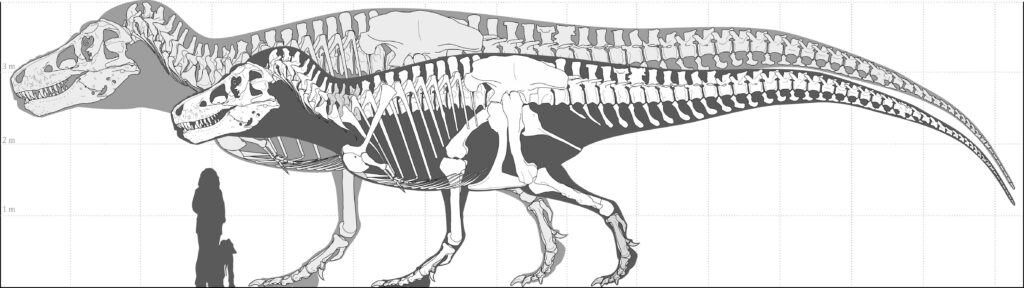
According to current research, a fully grown T-Rex was estimated to grow up to 40 feet and weight close to 9 tons. This made it an intimidating and feared predator in the Cretaceous era.
It also shows that the T-Rex needed to roam various environments to source for prey items that would be able to support its massive body weight and metabolism.
Senses
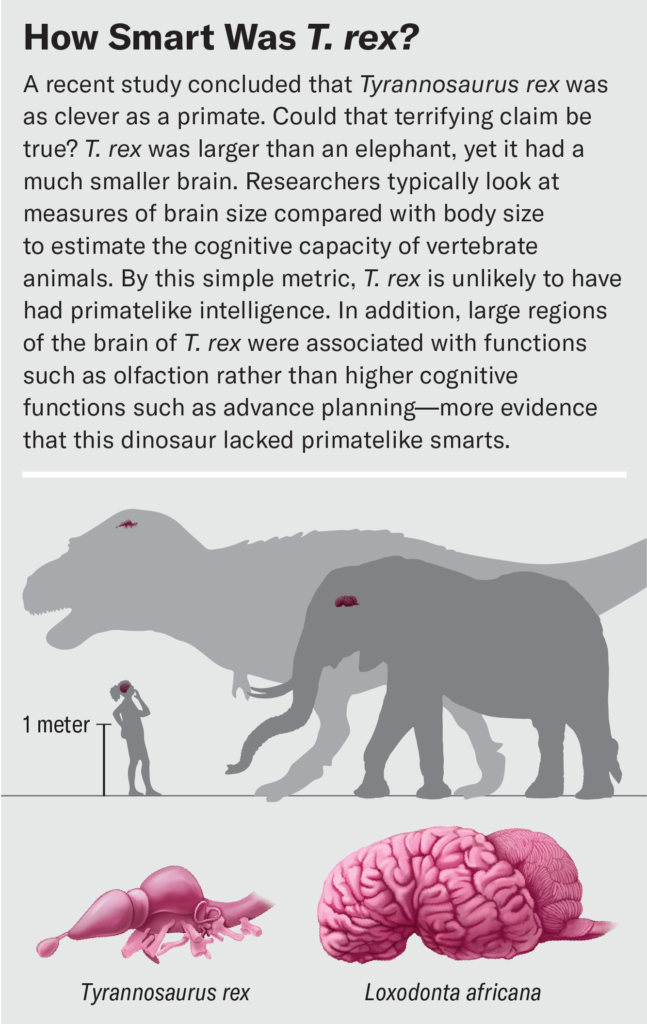
In addition to its massive size and powerful bite, the T-Rex also had exceptional vision, smell and hearing capabilities. For example, it had large olfactory bulbs in its nostrils which gave it a keen sense of smell to track various types of prey across different terrains.
Furthermore, its binocular vision and sharp hearing allowed it to pick up low frequency sound waves that enabled it to travel for long distances to hunt for various types of prey.
Once A King, Always A King
The Tyrannosaurus Rex was an evolutionary marvel that had a profound impact on the prehistoric ecosystem. Its towering figure and enhanced sensory abilities kept it at the top of the food chain, compared to other predatory therapods.
While there is still a lot to learn about these majestic species, there is no doubt that it was the greatest therapod to ever live.
Get ready to dive deep into our next blog on the apex predator of the sea that even the mighty Tyrannosaurus Rex would not dare to challenge.
Leave a comment down below and follow us for more exciting prehistoric ventures.